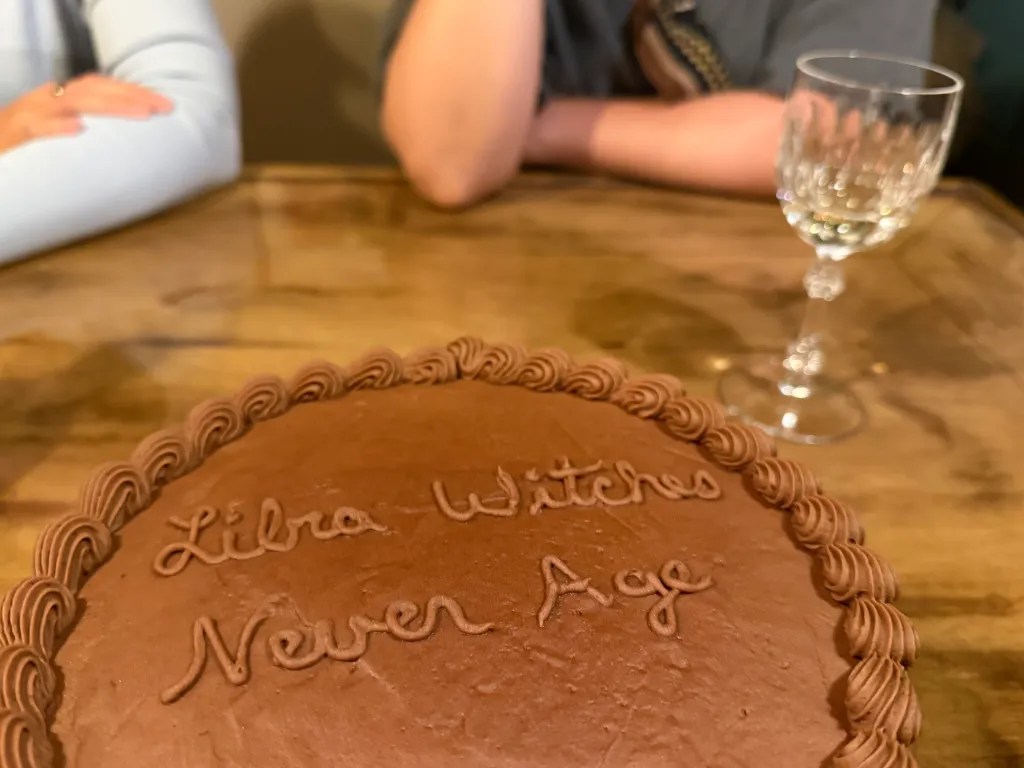
When closing out a year, I like to take stock of how I spent my energy. I ask myself…
What’s working? What’s not? What’s next for 2026?
I had photographs in a few shows. I will apply to more shows in 2026. Here are a few of my favorite quiet images from 2025.
2. History and research became much more than a hobby for me in 2025. However, before I would tell folks I’m a historian, I looked up the definition.
Historians research, analyze, interpret, and write about the past by studying historical documents and sources. —Bureau of Labor Statistics
Well, I guess I am a historian after endless research of source material, attending a history conference, and giving a presentation about Depression era banking in 2025.
I found these two gems while sorting my grandfather’s files. I wonder who wrote “Good-by” on the train departure photography?
Next week I’m heading to South Dakota to research all that surrounded a letter my grandfather wrote as a 34-year-old in December of 1944. A mystery involving an energy company, the sale of war bonds, the governor, a senator, the death of his father-in-law, banking, political aspirations, and so much more. I can’t wait to continue pulling on this thread.
3. I restarted my childhood hobby of collecting coins. In a world with so much artificialness, there’s something about holding a coin, noticing the weight, art, and history that I find fascinating. This French 5 franc coin from 1945 was made out of aluminum because of the metal shortages during the war. It was worth about ninety cents at the time.
4. I stepped away from a few things to focus on making art in 2025. I decided it was time to dedicate myself to art in this last year of my 50s and see what happens. It’s funny how energy can shift when intentions are clearly defined.
4. Like my grandfather, I’ve continued the tradition of collecting quotes. Here are a few of my favorites from 2025.
I’d rather regret the things I have done than the things that I haven’t. —Lucille Ball
I’m selfish, impatient and a little insecure. I make mistakes, I am out of control and at times hard to handle. But if you can’t handle me at my worst, then you sure as hell don’t deserve me at my best. ―Marilyn Monroe
Better to get hurt by the truth than comforted with a lie. ―Khaled Hosseini/author of The Kite Runner
Cheers to another trip around the sun…
I wish you a year filled with humor, curiosity, and sparks.
PS What didn’t work for me in 2025? Judgment, doom scrolling, too much sugar, not enough water, and too much clutter.
While researching the history of my family something has become crystal clear. I cannot view my ancestors only through the lens of dates, births, education, marriages, deaths, census records, geography, and vocation.
All of our lives are lived within the context of what’s happening around us…economics, religion, politics, education, science, technology, art, and culture.
Currently, my research is focused on the 1920s and the cultural upheaval that occurred. I wish I could talk with my grandparents and ask all of the questions I now have about their experiences. What a truly fascinating time of change in American history.
Mildred & Ralph PiersolLouis & Doris Lillibridge
The changes of the 1920s…
Post WWII Economic BOOM
STOCK MARKET DOUBLED from 1920 to 1929
WOMEN’S RIGHT TO VOTE
FLAPPER FASHION dresses no longer floor length…FREEDOM
JAZZ was invented and DANCE styles changed dramatically
PROHIBITION led to speakeasy culture and bootlegging
MOVIES—SILENT to TALKIES
URBAN GROWTH with more people living in cities than on farms
IMMIGRATION from Catholic Countries was limited
AUTOMOBILES (1919—6.7 million on the road • 1929—23 million)
RADIO sales (1922—$60 million • 1929—$847 million)
DETECTIVE NOVELS flourished
OUIJA BOARDS & SEANCES were popular
SURREALIST ART of Salvadore Dali
MARTIANS many believed were sending radio signals
This was too much upheaval for many Americans…the world was moving way too fast and this was disorienting. There was a longing to return to a simpler time.
With that longing in the 1920s came the resurgence of the Ku Klux Klan.
My paternal greatuncle, Bryton Barron wrote this in the Sioux Falls, SD Argus Leader in 1924, “the KKK is a menace to American Liberty…by the spirit of intolerance and hatred upon which it feeds and fosters…in this light it stands condemned.”
Timothy Egan’s—A Fever in the Heartland was quite an education about the 1920s in America’s Heartland.
Here are a few quotes from his book:
“Fighting Irish” nickname was forever set by the clash of Notre Dame against the Ku Klux Klan on May 17, 1924.” (The KKK was very anti-Catholic.)
“He (D. C. Stephenson, KKK Grand Dragon) understood people’s fears and their need to blame others for their failures. He discovered that if he said something often enough, no matter how untrue, people would believe it. Small lies were for the timid. The key to telling a big lie was to do it with conviction.”
“These people needed to hate something smaller than themselves as much as they needed to have faith in something greater than themselves. The Ku Klux Klan “filled a need,”
“When the grandchildren of these leading citizens later discovered hoods in the attic, or membership lists that included their kin, they could not fathom how such a thing came to pass. They knew the Ku Klux Klan was born in the murk of blood-spilling hate, built around a racial order that would find its most ghastly expression in the laws of Nazi Germany.”
fork in the road • 2018 • Lisa Lillibridge
With the use of Artificial Intelligence, drones, information flowing at a dizzying speed, and a need to make sense of our rapidly changing world, perhaps we can somewhat relate to what folks were feeling 100 years ago.
I truly understand the desire to return to a simpler time.
However, we can’t put the genie back in the bottle. All we can do is choose how we respond to it all.
D. C. Stephenson (August 21, 1891 – June 28, 1966) was an American Ku Klux Klan leader, convicted rapist and murderer. In 1923 he was appointed Grand Dragon of the Indiana Klan and head of Klan recruiting for seven other states. Later that year, he led those groups to independence from the national KKK organization. Amassing wealth and political power in Indiana politics, he was one of the most prominent national Klan leaders. -WIKIPEDIA
INTERVIEW with Timothy Egan:https://www.pbs.org/video/dinnerandabook-a-fever-in-the-heartland The Roaring Twenties --the Jazz Age -- the height of an American hate group the Ku Klux Klan. Their domain was not the old Confederacy, but the Heartland and Indiana in particular. They hated everyone who was not white and Protestant. The man who set in motion the Klan's takeover of parts of America was a charismatic charlatan named D. C. Stephenson.